06-17-Daily - AI Hot Daily
AI Hot Daily 2026/6/17
Daily curated AI + indie dev news
Today’s Summary
SpaceX acquires AI coding assistant Cursor in all-stock deal

AI coding assistant effectiveness driven by domain expertise

Seven stages of AI-driven development, AI Skills integrate document processing
AI Technology & Products
SpaceX Acquires Cursor ⭐ 9.5
SpaceX has officially announced its acquisition of AI coding assistant Cursor in an all-stock deal, valuing Cursor at approximately $60 billion. This acquisition is seen as a significant step for SpaceX in integrating AI capabilities and could add a new narrative to SpaceX’s IPO.

Claude Code User Insights ⭐ 9
Anthropic analyzed approximately 400,000 Claude Code user conversations and found that domain expertise, rather than coding proficiency, drives higher efficiency in using AI coding assistants. The report indicates users primarily handle planning, while AI executes tasks, with the value of AI-assisted tasks showing growth.

Agentic Document Extraction Skill ⭐ 8.5
Landing AI has released the Agentic Document Extraction (ADE) skill, enabling coding agents like Codex and Claude Code to build document processing pipelines directly within conversations. This skill supports atomic operations and production-grade workflows, simplifying document processing automation.

AI News Aggregation Skill ⭐ 8.5
A shared AI Skill named info-digest is designed to aggregate and generate AI news content, with the capability to publish to X and Weibo. The Skill emphasizes writing from a reader’s perspective, fact-checking via the internet, and generating concise formats suitable for social media.

Generative UI Combined with Agent Harness ⭐ 8
This project demonstrates coding agents (Claude Code, Codex, Pi) modifying code, executing commands, and testing use cases within Vercel Sandbox. It outputs structured JSON UI specifications that are rendered into interactive components by the frontend in real-time, decoupling the UI layer from the execution layer.

Agentic Code Review ⭐ 8
This article discusses the increasing importance of code review as engineering bottlenecks shift from writing code to trusting code. The emergence of AI code review tools offers new possibilities, but humans remain crucial for decision-making and high-stakes scenarios.

Cua-Bench Evaluates Agents ⭐ 8
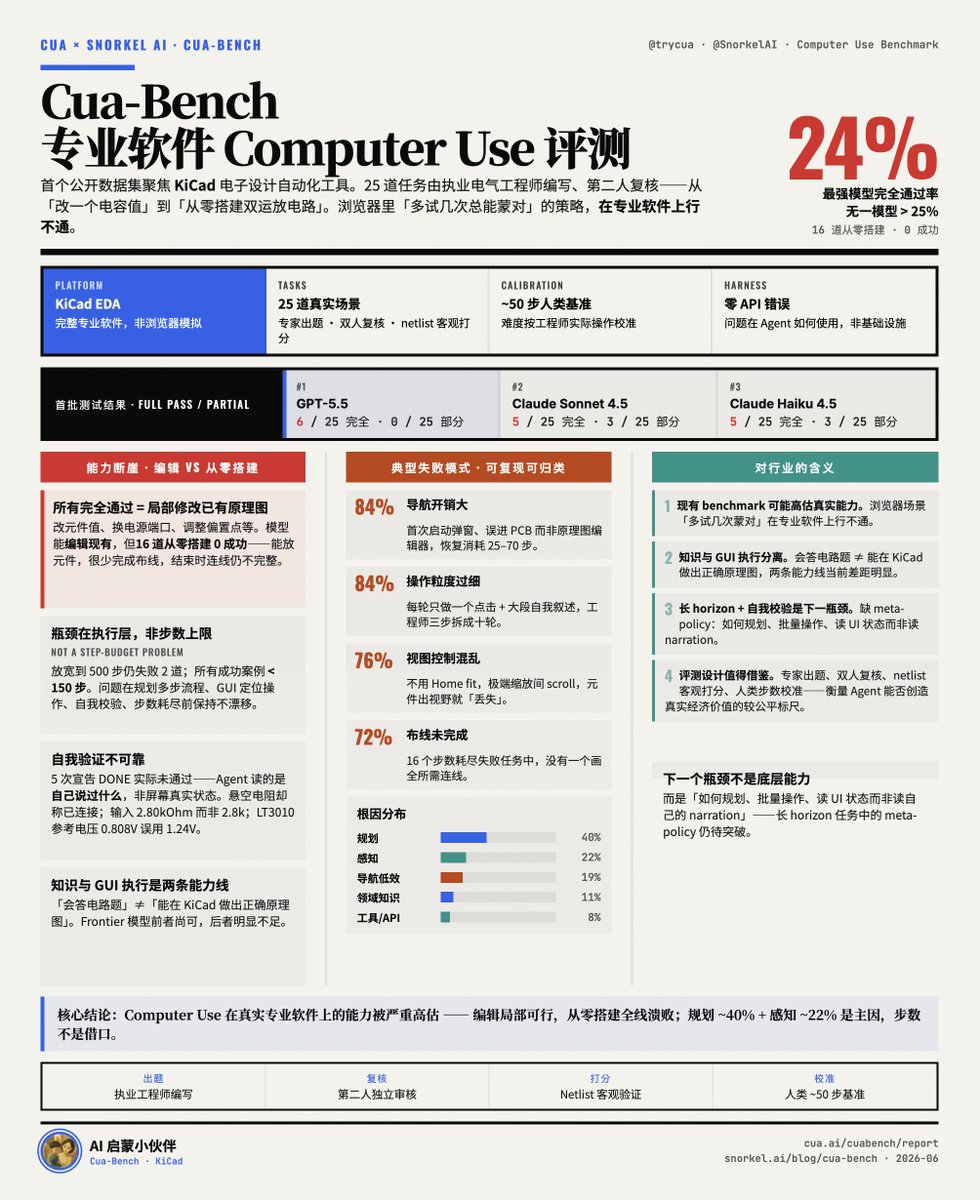
Cua and Snorkel AI have released Cua-Bench to evaluate the computer use capabilities of AI agents on professional software. Initial tests show that even the strongest current models can only complete 24% of tasks, with significant weaknesses in “building from scratch,” highlighting bottlenecks in GUI operation, planning, and self-correction for agents.
OpenAI Introduces Deployment Simulation ⭐ 8
OpenAI has introduced Deployment Simulation, a method that uses real conversation data to predict AI model behavior before release. This aims to enhance model safety and evaluation accuracy, providing more reliable assurance for model deployments.
GLM 5.2 Available on AI Gateway ⭐ 7.5
GLM 5.2 is now available on Vercel AI Gateway, optimized for long tasks with support for a 1M token context window. This is particularly valuable for scenarios requiring extensive engineering context and long-running tasks.
SubQ 1.1 Small Released ⭐ 7
SubQ 1.1 Small has been released, significantly reducing the computational demands for processing long contexts by replacing O(n²) attention mechanisms with linearly scaling sparse formulas. At 1M tokens, its computation and speed far exceed dense attention models, offering new possibilities for processing massive amounts of information.
OpenAI’s Lead is Challenged ⭐ 7
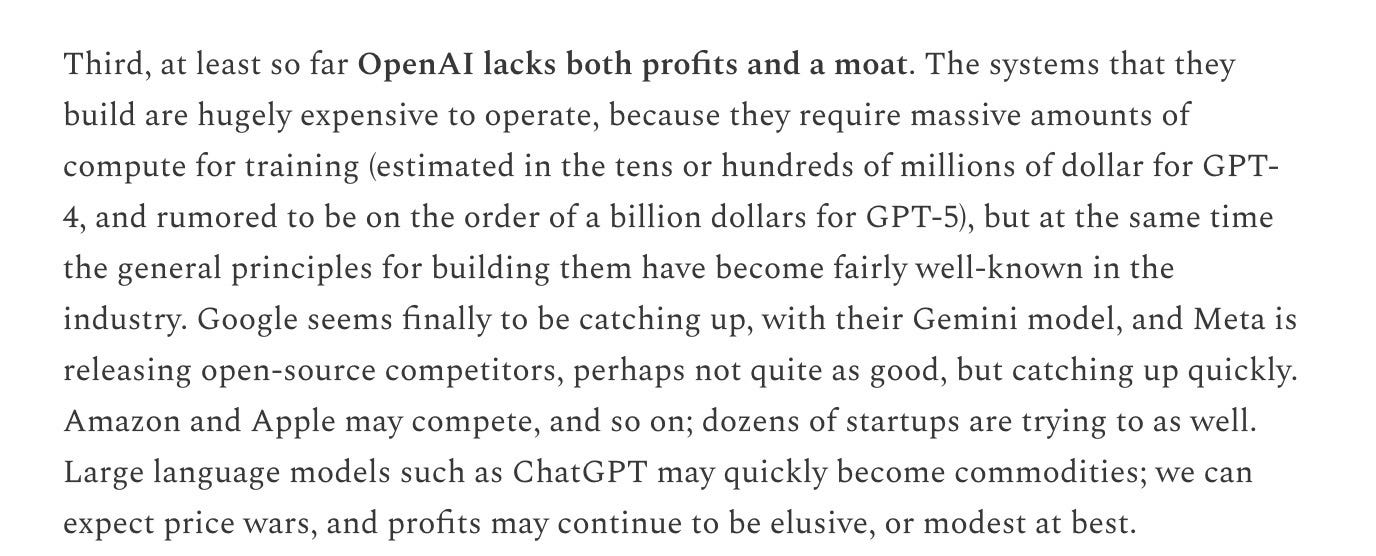
This article argues that OpenAI’s market lead is rapidly diminishing as competitors launch similar products, weakening its moat. Changes in attitude from major investors like Microsoft, coupled with OpenAI’s high burn rate, indicate significant challenges ahead.
Seven Stages of AI-Driven Development ⭐ 7
This article outlines seven stages of AI-driven development: Grill, Research, Prototype, PRD, Issues, Implement, and Review. The Grill stage aims to transform vague ideas into shared understanding, laying the foundation for subsequent development. The entire process emphasizes AI application across all product development stages and offers additional domain language and ADR suggestions.

Claude Code Dynamic Workflows Too Costly ⭐ 7
Users report that Claude Code’s dynamic workflows are prohibitively expensive, consuming a large number of tokens for simple tasks, leading to a significant increase in weekly token usage for Pro users. This highlights the need for careful cost-benefit analysis even with AI tools to ensure practical applicability.

AI News Daily Digest June 16th ⭐ 7
A daily AI news summary covering various topics. It includes Satya Nadella’s views on building Frontier Ecosystems and the suspension of Anthropic’s Fable/Mythos models due to safety concerns, emphasizing the ongoing interplay between AI model development and safety regulations.

Decompiling Codex App Source Code with Codex ⭐ 7
A user decompiled the source code of the Codex App using the Codex tool, showcasing AI’s capabilities in code understanding and reverse engineering. This may offer new learning and research avenues for developers but also raises questions about code security and intellectual property.
Satya on Loopcraft: Building Frontier Ecosystems ⭐ 7
Microsoft CEO Satya Nadella introduced the concept of “Frontier Ecosystems,” emphasizing the compounding growth of AI learning loops (Loop) and human and token capital. He believes AI’s opportunity lies in building learning loops, not just the models themselves, which is crucial for understanding AI strategy and future development.

AI Helps Understand Ancient Texts ⭐ 7
This article proposes that translating classical ancient texts (using the “Tao Te Ching” as an example) into plain language and combining it with AI-generated images can significantly improve comprehension. The project plans to open-source this week, offering a new approach to digitizing and popularizing cultural content.

Japan Explores Moon with Robots ⭐ 6.5
Japan’s Aerospace Exploration Agency (JAXA) has successfully demonstrated the autonomous operation of its small transforming robot, SORA-Q, on the lunar surface. This approach of using small, economical robot swarms is expected to overcome communication delays and harsh conditions on the Moon, providing crucial support for future crewed lunar base construction.

ChatGPT Assists in Prolog Programming ⭐ 6
ChatGPT can assist in writing Prolog code, suitable for tasks like solving logic puzzles. Experiments suggest that LLM-assisted Prolog programming can be an enjoyable experience, with the model capable of handling its unique syntax.

Meta AI Assistant ⭐ 6
Meta Platforms plans to control its escalating internal AI costs by limiting token usage for employees.
Anthropic’s Safety Decisions ⭐ 6
After communicating with the U.S. government regarding model safety, Anthropic implemented export controls, restricting access to its Frontier LLMs. The article discusses Anthropic’s view that only they should control AI development, likening it to a religious organization.
AI Safety Export Control Controversy ⭐ 6
The U.S. government’s export controls on Anthropic’s Fable 5 model have sparked debate over its “code repair” capabilities. Safety experts argue that the model’s ability to help fix security vulnerabilities and verify patches is its most critical defensive safety feature and should not be considered misuse.
Figma Chrome Plugin ⭐ 6
Figma’s new Chrome plugin converts web elements into editable layers, allowing them to be pasted into Figma for editing. This greatly simplifies the process of website cloning and can also serve as a tool for capturing page elements.

The Economics of AI Models ⭐ 6
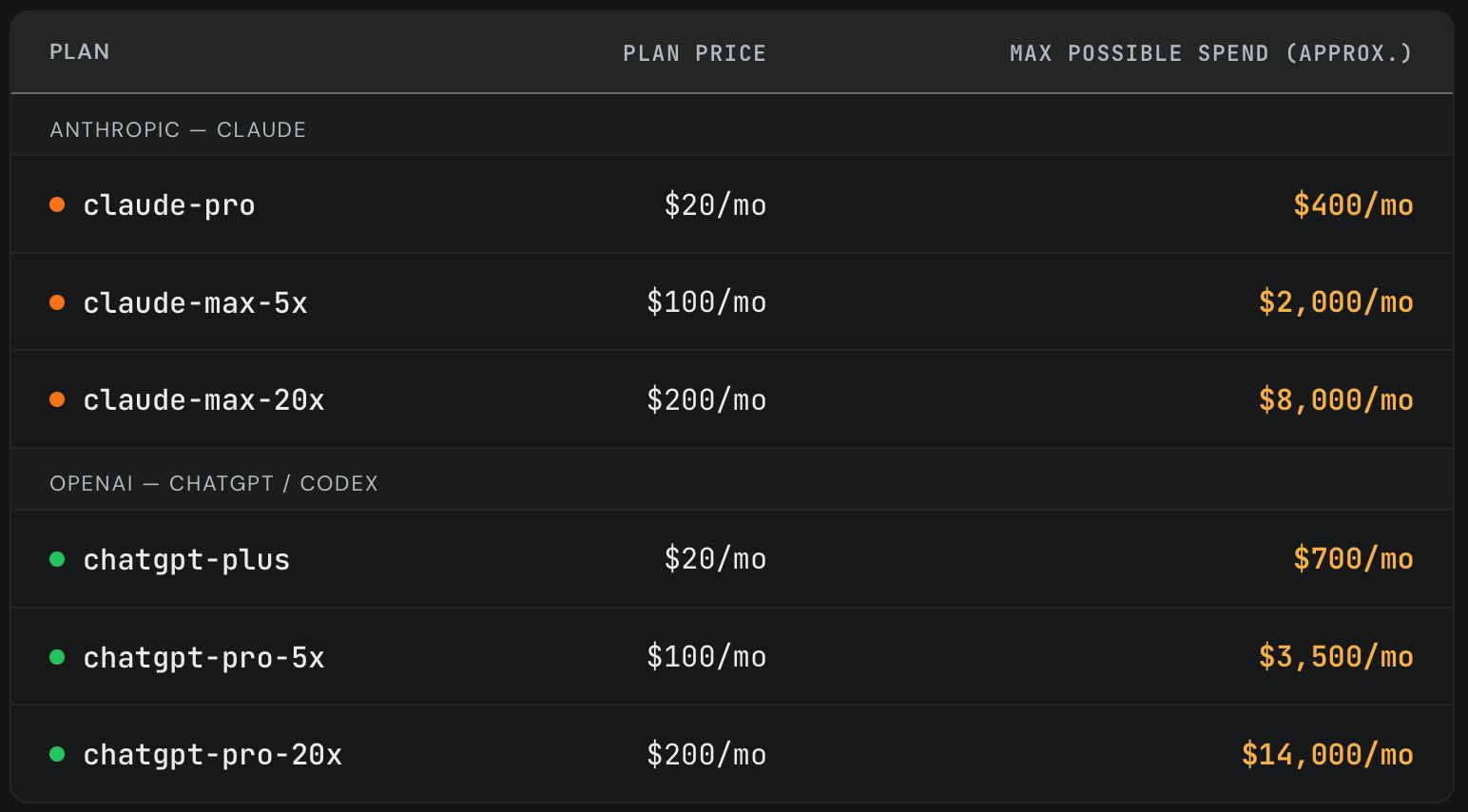
The AI industry faces “Brokenomics,” a conflict between high training and operational costs and user willingness to pay. The substantial losses reported by OpenAI and Anthropic, along with customer dissatisfaction with token-based billing, suggest an unsustainable economic model for AI.
OpenAI’s Concerning Financials ⭐ 6
OpenAI’s losses significantly increased to $38.5 billion in 2025. Despite revenue growth, high R&D and operational costs make profitability elusive. The company’s substantial expenditures to Microsoft also highlight its reliance on external resources.
Anthropic Mythos/Fable Controversy ⭐ 6
Anthropic released models advertised as “too dangerous to release,” which were quickly cracked, leading to export control disputes with the U.S. government. This exposes the challenges in AI model safety and potential issues with the company’s marketing strategies.
Indie Dev & SaaS
Vercel’s New Website Deployment Method ⭐ 8
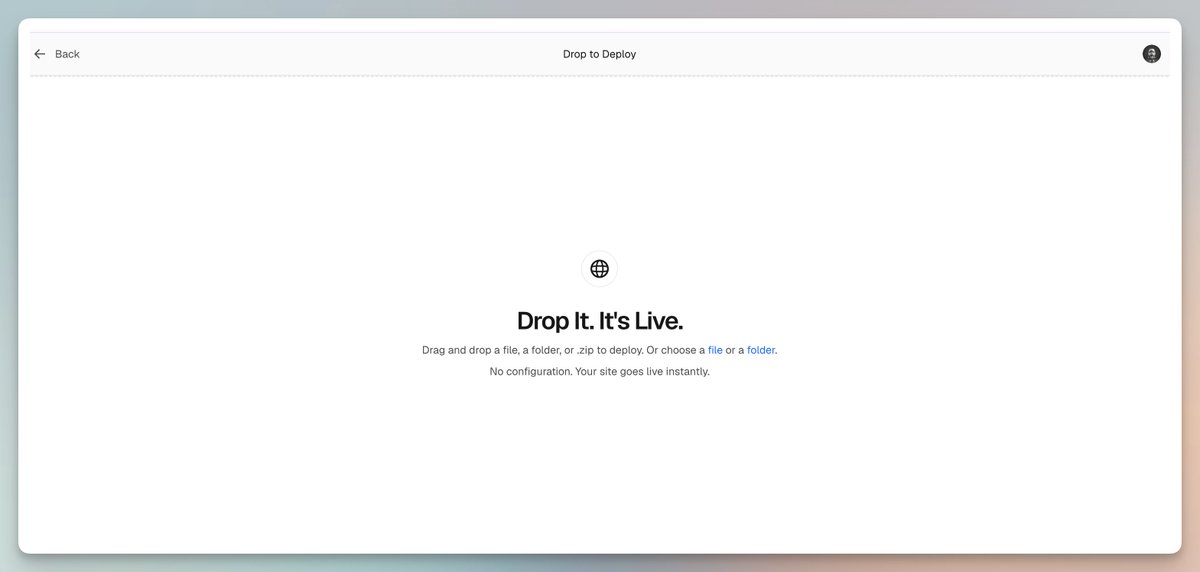
Vercel has launched a new website deployment tool called drop.new. Users can simply upload a zip package, file, or folder to quickly generate an accessible website. This method is also seen as a new way to share files.
Intelligent Cost of Product Management ⭐ 8
This article discusses how the marginal intelligent cost of product management limits store scale. The advent of barcodes drastically reduced costs, enabling a significant increase in SKUs per store. This prompts reflection on scale limits in other industries constrained by “marginal intelligent cost.”

WorkOS Launches Auth.md Protocol ⭐ 8
WorkOS has released Auth.md, an open protocol for AI Agent registration. This protocol allows AI Agents to dynamically discover and authenticate OAuth resources by parsing Markdown files in a service’s root directory, providing a standardized and secure way for Agents to access services.
Lightweight RSS Client Supports AI ⭐ 7.5
Papr is a lightweight, fast, and free RSS client that stands out for its support of user-provided API keys for AI summarization and Q&A. This offers indie developers a low-cost, personalized tool for information aggregation and processing.

Vercel Sandbox Runtime Extended ⭐ 7.5
Vercel Sandbox’s single run time has been extended from 5 hours to 24 hours. This update is particularly beneficial for developers engaged in large-scale data processing, end-to-end testing, or deploying long-duration Agent workflows, enabling smoother support for complex projects.
Registering Domains for Resources ⭐ 7.5
This article emphasizes the importance of registering domains and using VPS, especially with the convenience of AI Coding. Owning your domain and server, combined with AI tools, can significantly expand the possibilities for technical exploration, offering high playability for indie developers and enthusiasts.

Production Environment Debugging ⭐ 7
The author shares experiences debugging complex bugs in production environments, highlighting the potential risks of AI-generated code and the debugging challenges posed by environmental differences (Prod vs. Local). The article introduces methods for online debugging using techniques like version switching and subdomains, offering insights for indie developers troubleshooting online issues.
Workflow SDK Supports TanStack Start ⭐ 7
Vercel’s Workflow SDK now supports TanStack Start applications on Vercel. This allows developers to write workflows and step functions using standard TypeScript, which can be persisted, resumed, and handle restarts and failures, greatly simplifying the development of reliable workflows.
Workflow SDK Supports In-flight Cancellation ⭐ 7
Vercel Workflow SDK 5 Beta introduces support for AbortController and AbortSignal APIs, enabling developers to cancel ongoing workflows and steps. This feature can be used to optimize user experience, such as canceling other requests after the first response succeeds, or terminating parallel tasks when external conditions change.
Creative Applications of Perlin Noise ⭐ 6
This article explores creative uses of Perlin noise fields. Community discussions mention resources like “Nature of Code” and the application of Perlin noise in art and game development, providing inspiration for indie developers.
Figma Web Cloning Plugin ⭐ 6
Figma’s Chrome plugin converts web elements into editable layers, greatly facilitating website cloning. Indie developers can use this tool to quickly extract and design interface elements.
Open Source Projects
Factory AI CEO Podcast Interview ⭐ 8.5
In a podcast interview, the CEO of Factory AI mentioned that approximately 80%-90% of tasks can be handled by open-source models, with top-tier models being more suitable for planning decisions. AI tools provide greater leverage for high-leverage users, and the value of future engineers will lie in their full responsibility for end-to-end business outcomes.
Qwen-Robot Suite: General Robot Model ⭐ 8
Qwen has released the Qwen-Robot Suite, a foundational model suite for physical world intelligence. Discussions suggest that the robotics field has immense potential, and Qwen’s technology could enable mass production and potentially surpass the automotive market.
The State of Running Local Models ⭐ 8
This article discusses how running AI models locally is becoming increasingly feasible, though challenges in performance and ease of use remain. Despite this, local models offer advantages in cost and control compared to cloud-based models, especially for developers.
Georgi Gerganov on Local Models ⭐ 8
Georgi Gerganov described Qwen3.6-27B as a very powerful local coding model and stated that as local models become easier to use, the pricing power of cloud AI services will be squeezed.
datasette-agent 0.3a0 Released ⭐ 7.5
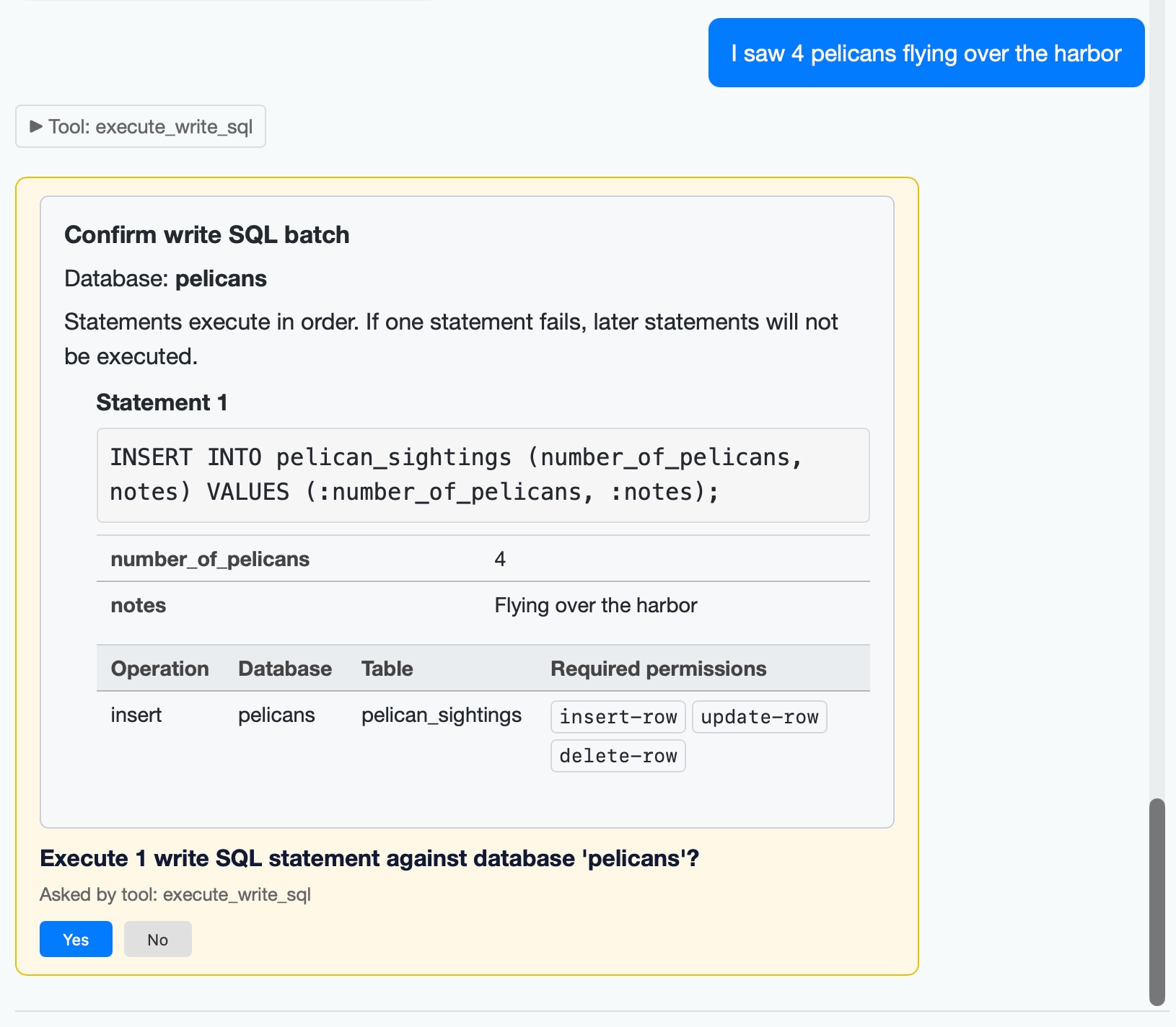
datasette-agent has released version 0.3a0, adding the execute_write_sql tool, which allows Agents to write to databases after user approval. The chat mode now supports automatic approval and includes options like --unsafe for easier Agent-database interaction in local or secure environments.
Lean, Not Backpressure ⭐ 7
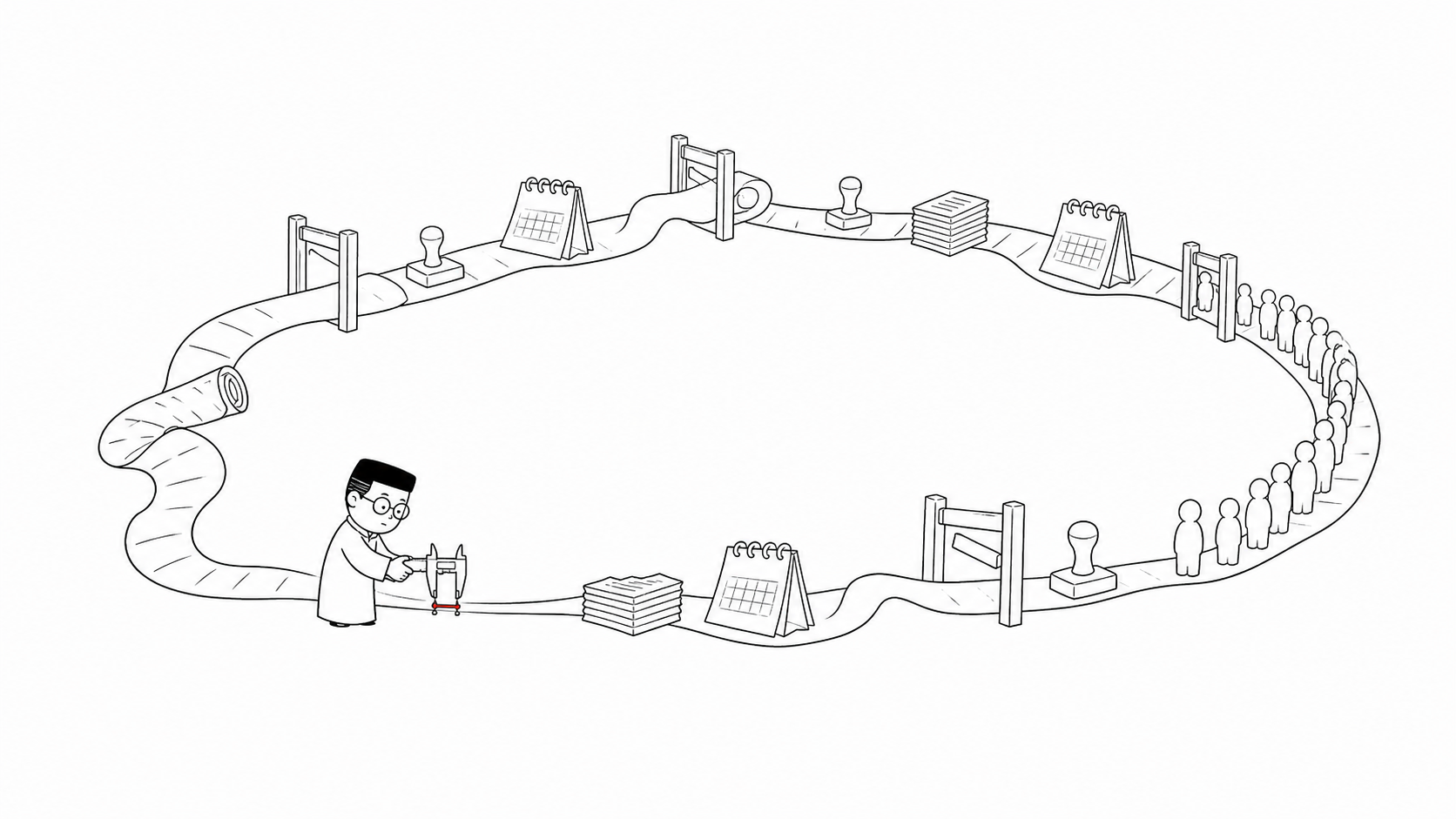
This article discusses system design for code generation bots, arguing that the “Lean” philosophy is more suitable than “Backpressure.” Lean emphasizes reducing waste and managing unstable inputs rather than just slowing down upstream speeds, focusing more on ensuring downstream output quality.
Open Source Project Ownership Transfer Mechanisms ⭐ 6
This article analyzes how open-source projects transfer ownership when maintainers step down, including direct handover, public recruitment, registry mechanisms, and “orphan pools.” Understanding these mechanisms is crucial for both maintainers and potential successors.
Industry News
AI Risks and System Design ⭐ 8
This article argues that “whether AI is reliable” is a false dichotomy; the key is designing systems to handle potential AI errors. By layering risks and implementing safety mechanisms, systems can catch errors even if AI makes mistakes, ensuring overall reliability.

AI-Driven Organizational Change ⭐ 8
This article analyzes how AI is prompting organizations to shift from employment relationships to recruitment relationships. When employees are empowered by AI, they transform from “cogs” into “super-individuals.” Organizations need to provide vision, autonomy, and rewards to attract and retain these talents, essentially shifting towards an incubator model.

Musk’s “Idiot Index” and Organizational Efficiency ⭐ 8
Borrowing from Musk’s “Idiot Index” (the ratio of high component costs to raw material costs), this article likens it to organizational inefficiency. AI compresses creation time, but if process efficiency remains unchanged, the organization’s “Idiot Index” will actually increase, exposing problems in organizational processes.
High-Performing Teams in the AI Era ⭐ 8
This article explores the core characteristics of high-performing teams in the AI era. It suggests that once execution barriers are leveled by AI, responsibility, curiosity, and results-orientation—“mindsets and behaviors”—become key. The proposed seven principles (e.g., think like a founder, hire for attitude) offer new approaches to building effective teams.

GPT‑NL: Netherlands’ Sovereign Language Model ⭐ 7
The Netherlands has launched GPT‑NL, aiming to build a sovereign language model within Europe to reduce reliance on non-European providers. Some opinions suggest focusing on fine-tuning and applying existing models rather than investing heavily in building “sovereign” models, while others support Europe’s development of an independent AI ecosystem.
Lean Launch Pad 2026 @ Stanford Course Summary ⭐ 7
Stanford University’s Lean Launch Pad course, now in its 16th year, has incorporated AI technology. The course emphasizes that startups should focus on “finding” rather than “executing” business models, using the Business Model Canvas as a guiding tool. AI is widely used in the course for generating business canvases, prototypes, and customer problem analyses, but it also presents the challenge of “making bad ideas faster.”

Bye Bye Fable: Anthropic Model Sparks Safety Controversy ⭐ 6.5
Anthropic’s Fable 5 model had its access suspended due to government concerns about cybersecurity risks. This incident highlights the complex relationship between AI model development, national security, and export controls, and sparks discussions about “borrowing intelligence” and building controllable technology stacks.
YC Adds New General Partners ⭐ 6
Y Combinator has announced that Christopher Golda and Grey Baker have joined as General Partners. Previously Visiting Partners, they will continue to support and mentor YC’s startups in their new roles.

Evolution of LLM Post-Training Techniques ⭐ 6
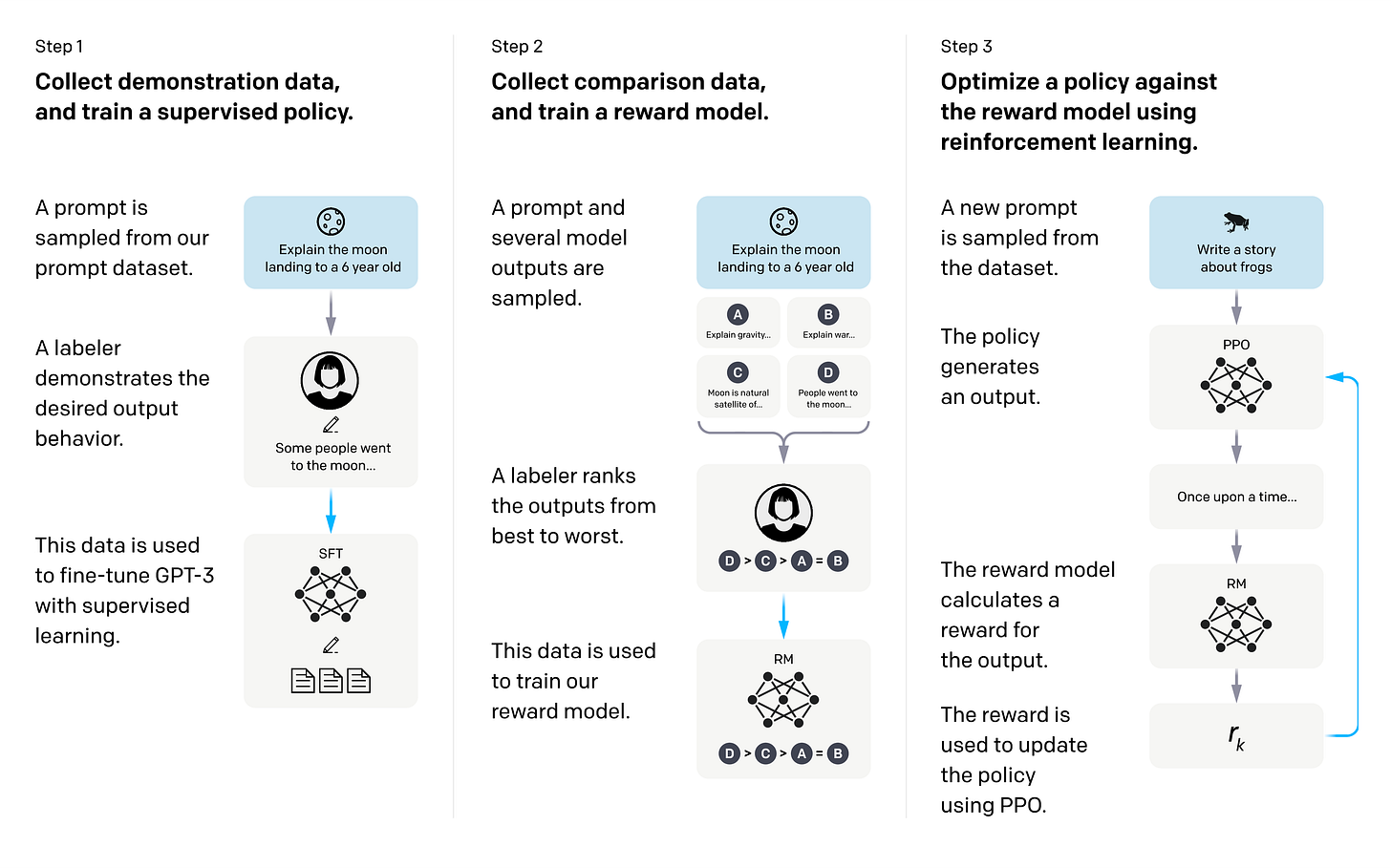
This article delves into the evolution of post-training techniques for Large Language Models (LLMs), from InstructGPT to the current MOPD (Multi-teacher On-Policy Distillation), revealing the technological roadmap behind model capability improvements.
EU’s Digital Markets Act Controversy ⭐ 6
A Washington Post commentary points out that the EU’s Digital Markets Act (DMA) has encountered implementation difficulties, forcing tech companies (like Apple) to omit new features (like Siri AI) in the European market. Its ambition to be a “regulatory superpower” has not been fully realized.
AI Economics Model Analysis ⭐ 6
This article provides an in-depth analysis of the AI industry’s “Brokenomics,” highlighting the conflict between high costs and user willingness to pay. The substantial losses of OpenAI and Anthropic, along with customer dissatisfaction with token billing, indicate that AI business models face challenges.
Social Media Buzz
Bash Can Make HTTP Requests ⭐ 7
This TIL (Today I Learned) tip demonstrates how to send HTTP requests in Bash using /dev/tcp without needing curl. This showcases the power of the Shell, providing a convenient debugging and testing method in specific scenarios (like within containers where curl is unavailable).
Xiaohongshu vs. Douyin Recommendation Mechanism Comparison ⭐ 7
The blogger compares the content recommendation mechanisms of Xiaohongshu and Douyin, finding that Xiaohongshu has fast initial push but less sustained traffic, while Douyin’s traffic grows faster and is more consistent. Both platforms show limitations in follower growth despite high traffic and comments on controversial content, offering insights for content creators publishing on different platforms.
Discussion on Stopping JWT Usage ⭐ 6
A discussion on whether JWTs (JSON Web Tokens) are suitable for user sessions on the web. While JWTs are used in service-to-service communication, their security and revocability are questioned. The community discusses JWT expiration mechanisms, alternatives (like PASETO), and trade-offs in practical applications.
Is Meta Destroying Its Engineering Organization? ⭐ 6
This article explores the current challenges within Meta’s engineering organization, including the reassignment of some engineers to data labeling and RLHF roles, and the potential negative impacts of AI investments. Community discussions suggest that Meta’s situation might reflect the “new normal” brought about by AI-driven models in the industry and their impact on engineering culture.
Anthropic Safety Model Controversy ⭐ 6
The Atlantic quotes cybersecurity experts stating that Anthropic’s Fable model’s ability to “repair code” when prompted is considered an expected defensive safety feature, not a security vulnerability.